The letter arrives and it is short. The claim is denied. There is usually a sentence about the cause of loss not being covered, and then nothing else useful.
A denial is the insurer position. It is not a final finding, and it is not the end of the process. What follows is the order worth doing things in, and what each step is actually for.
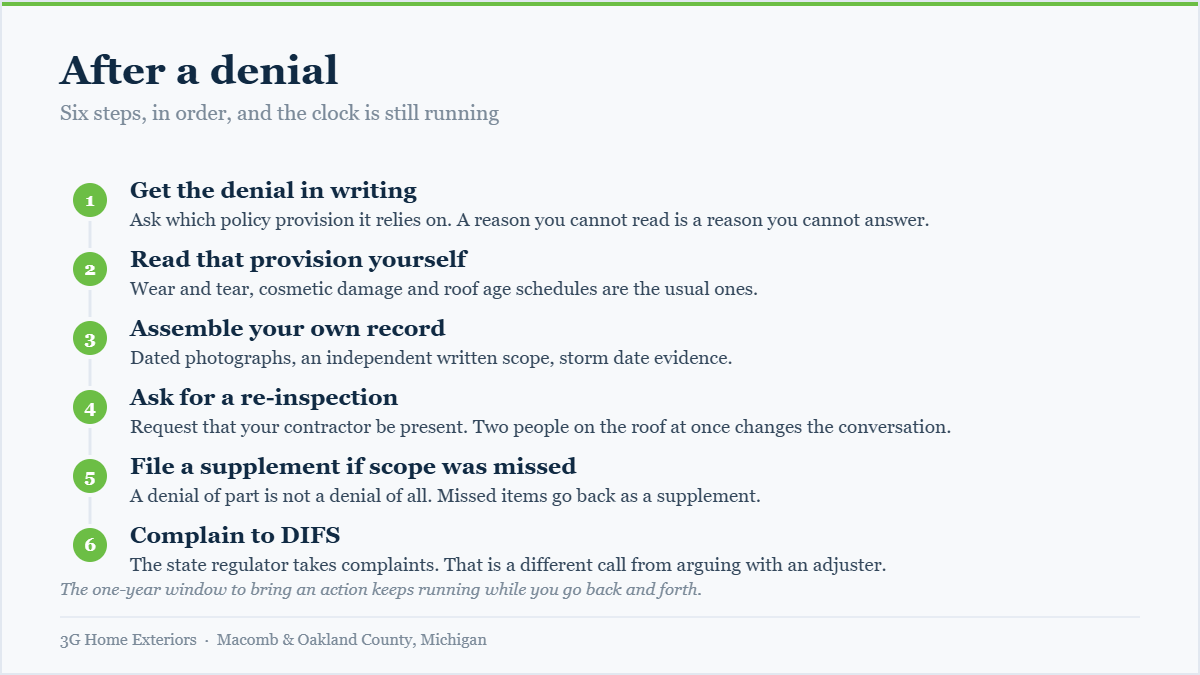
Step one: get the reason in writing
Ask for the denial in writing, and ask specifically which policy provision it relies on.
Not a general statement about storm damage. The provision. You cannot answer a reason you have not been told, and vague reasons are much harder to challenge than specific ones.
Ask for the full adjuster report as well, not the summary. The line items are where disagreements actually live.
Step two: understand the usual grounds
Most roof denials fall into a handful of categories.
Wear and tear rather than sudden loss. Policies cover sudden accidental events, not ageing. If the adjuster concluded the roof was simply old, that is the argument being made.
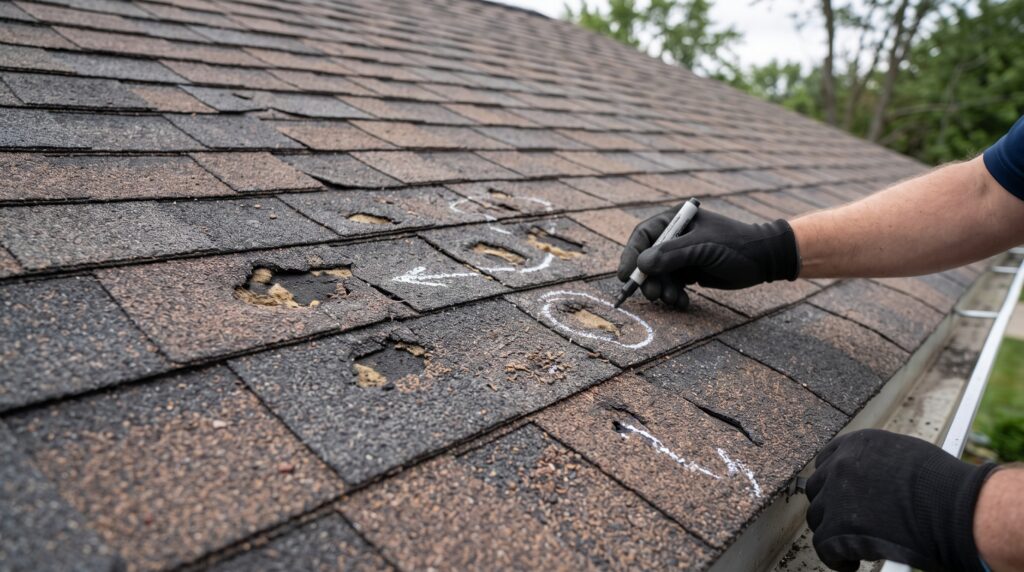
Cosmetic damage. Some policies exclude damage that affects appearance without affecting function. Hail marks that have not breached the mat can fall here.
Roof age schedule. Some policies cover the dwelling at replacement cost but schedule the roof separately once it reaches a certain age. This surfaces after a storm, not before. See actual cash value versus replacement cost.
Maintenance exclusion. The argument that the loss followed from a condition you should have addressed.
Late reporting. Which brings the deadline into play immediately.
Step three: build your own record
A denial is one document. You answer it with documents.
- Dated photographs, ideally from before if you have any, and detailed ones from after
- An independent written scope from a contractor you chose, describing what was damaged and what repair requires
- Evidence of the storm — the date, local reporting, weather service records
- Your maintenance record, if maintenance is the ground being argued
- A log of every call, name and date
Michigan sees roughly 165 hail events a year on average, and Oakland and Macomb counties have logged 92 and 69 hail reports since 2004. Tying your damage to a dated event is often the specific thing in dispute.
Step four: ask for a re-inspection
You can request that the insurer look again, and you can ask that your contractor be present.
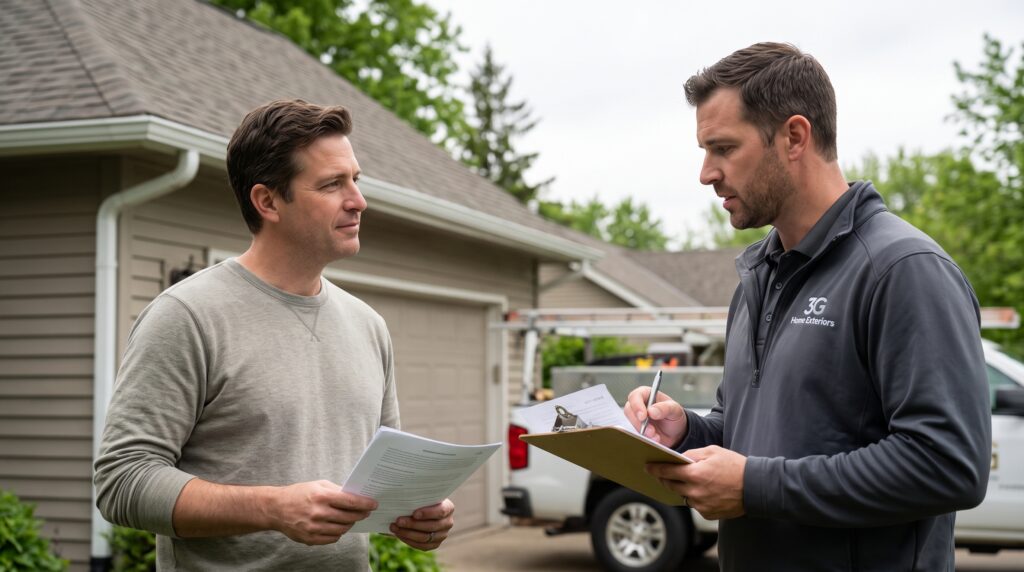
That second part matters more than it sounds. An adjuster on a roof alone forms a view. An adjuster on a roof alongside someone who can point at a specific area of bruising, a specific lifted tab, a specific flashing failure is a different conversation, conducted on the evidence.
It also produces a record that the disputed items were examined rather than described from the ground.
Step five: supplement what was missed
A denial of one thing is not a denial of everything, and scope disputes are frequently mistaken for denials.
If the adjuster wrote for repair and the damage requires replacement, or missed items that only become visible during the work, that goes back as a supplement with documentation. This is ordinary claims process rather than confrontation, and legitimate contractors do it routinely.
Step six: the regulator
The Michigan Department of Insurance and Financial Services regulates insurers operating in the state. It runs a consumer hotline at 877-999-6442, weekdays 8am to 5pm, and accepts complaints.
That is a different kind of contact from arguing with an adjuster, because it involves a body with authority over the company.
It is also worth checking DIFS stated timing requirements against what happened on your claim. DIFS states that an insurer must tell you within 30 days of filing what information it needs, must pay within 60 days of receiving proof of loss, and owes interest at 12 percent simple interest on amounts overdue. If your claim sat well past those points, that is a specific and documentable complaint rather than a general grievance.
The clock did not stop
This is the part that costs people the most.
Michigan law sets the window to bring an action at one year after the loss, or the period specified in the policy if that is longer. That clock runs from the date of loss. It does not pause while you appeal, re-inspect, negotiate or wait for a return call.
Months can disappear in this process without anything feeling urgent. Know your date. We went through it in the one-year deadline on a Michigan storm claim.
On public adjusters and lawyers
A public adjuster works for the policyholder rather than the insurer and takes a percentage of the settlement. For a large, genuinely disputed claim that can be worth it. For a modest one, the percentage may consume the difference being argued about.
For a coverage dispute turning on policy language rather than on the scope of damage, that is a legal question rather than a roofing one, and we will say so.
What we will not do is tell you a claim is winnable because it would be convenient for us if you believed that.
Sometimes the denial is right
It has to be said. Not every roof with a problem has storm damage, and a roof that has simply reached the end of its service life is not an insurance event.
A contractor whose assessment always finds a claim is not assessing. If what we find is age rather than damage, you will get that answer, and you can then plan the work as a planned expense — which, in Michigan at least, does not raise your property assessment. See what the statute says.
Common questions
Can a denied roof claim be reopened?
You can request a re-inspection and submit further documentation. Whether that changes the outcome depends on the grounds and on what you can evidence.
What does cosmetic damage mean on a policy?
Damage affecting appearance without affecting function. Where the line falls is frequently the disputed point, which is why an independent assessment of whether the mat was breached matters.
Does filing a complaint with DIFS cost anything?
DIFS operates a consumer hotline and complaint process for Michigan policyholders.
Should I get a second opinion after a denial?
Yes, and from someone who was not involved the first time. A second written scope is the cheapest useful document in the whole process.
We will give you a straight assessment
If you have been denied and want an independent written scope, we will look at the roof and tell you what we find, including when what we find is age rather than a storm.
Book a free storm damage inspection, or read about storm damage roofing in Michigan.
Sources: Michigan Department of Insurance and Financial Services consumer publication FIS-PUB 0216 and consumer complaint guidance; MCL 500.2833; 2024 Michigan Hazard Analysis, Michigan State Police EMHSD; Storm Prediction Center hail reports for Oakland and Macomb counties. General information, not legal advice.