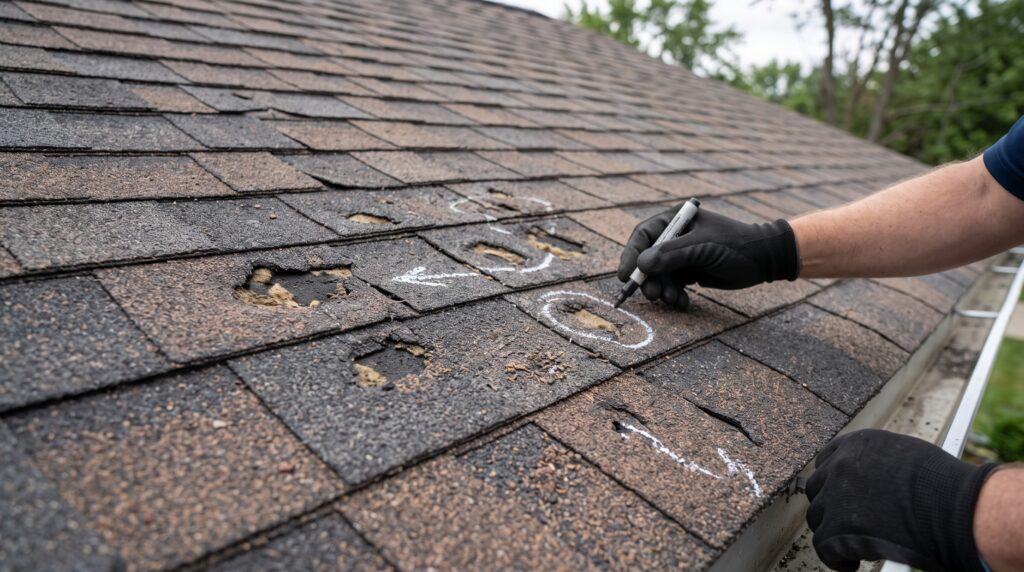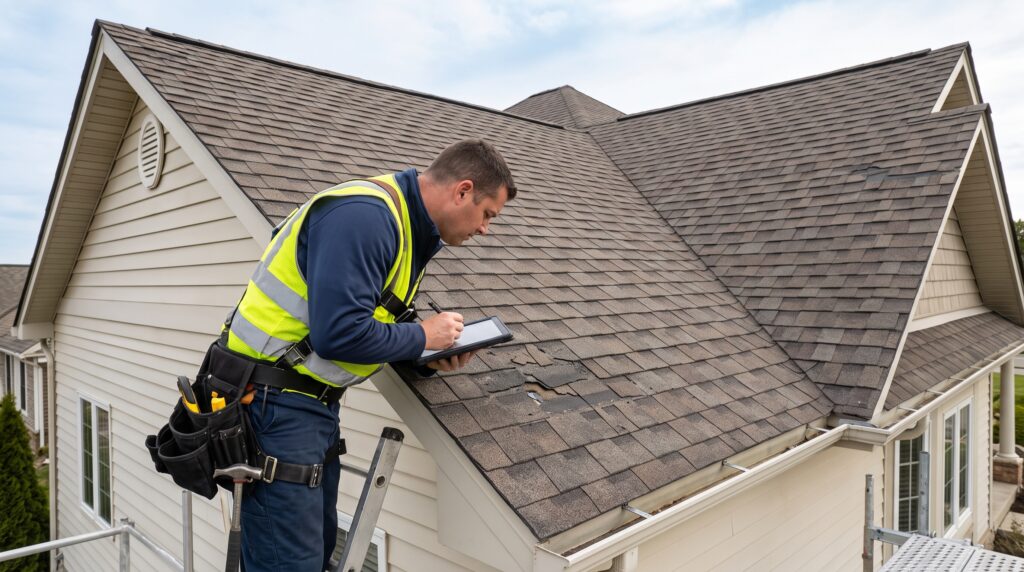
A storm goes through on a Tuesday. By Thursday there are trucks in the neighbourhood and people at doors, and the pitch is urgency: we are working on your street this week, the damage is worse than it looks, sign now.
If you signed and have since thought better of it, Michigan gives you a way out. It is narrow and it is short, and most people find out about it after it has closed.

The two windows
The Michigan Attorney General guidance for homeowners sets out two situations where cancellation rights exist.
Three days for sales solicited at your home. This is the door-knock contract. Somebody came to you rather than you going to them, and the law treats that differently because of the pressure involved.
One day for contracts where you agree to make payments over time to a home improvement contractor. That is a single day, and it is the one that catches people.
The statutory basis is Michigan Home Solicitation Sales Act, Act 227 of 1971, at MCL 445.111 through 445.117.
Why the distinction matters
Read those two again and notice they can apply to the same conversation.
Somebody knocks after a storm, and the agreement includes financing or payment over time. Which window applies? This is exactly the situation where you should not be relying on your own reading of a statute at nine on a Saturday night.
The practical answer: assume the shorter one, act immediately, and put it in writing. Deliver cancellation in writing rather than by phone, keep a copy, and send it in a way that proves delivery.
What the Attorney General recommends before you sign
The same guidance is direct about the basics.
- Ask whether the contractor is licensed and insured, and demand proof. Not a claim — proof. We covered verification in checking a Michigan contractor licence.
- Do not allow work to start without a signed written contract that includes all verbal promises. Anything agreed on the doorstep and not written down does not exist.
- On deposits, the guidance suggests that generally around one third of the total contract price should suffice.
The Attorney General has also warned homeowners, after storm damage specifically, never to pay in cash or in full up front for home repair services.
Why storm work attracts this
The Michigan Department of Insurance and Financial Services notes that after severe weather, people claiming to be adjusters, contractors and other service providers often go door to door, and advises checking licences, references and insurance.
The reason is structural rather than sinister. A storm creates a large number of homeowners who all need the same work at the same time, who are stressed, who do not have a contractor relationship, and who have an insurance cheque coming. That is a market, and it attracts both legitimate businesses expanding capacity and people who will be in another state next season.
Telling them apart is the whole problem, and it is why the licence question is so useful. It is free, it is instant, and the reaction tells you as much as the answer.
Pressure tactics worth recognising
- Today only. Roofing prices do not expire at midnight.
- We are already in the neighbourhood. An efficiency argument used as a deadline.
- We will handle your deductible. There is no version of this that is a gift. See why that offer should end the conversation.
- Let us get up there and take a look right now. Nobody should be on your roof before there is an agreement about what they are doing.
- Sign here so we can talk to your insurer. Read what you are signing. Some of these documents assign your claim.
- Large deposit in cash. Contrary to explicit Attorney General guidance.
What to do instead when the damage is real
Storm damage is often genuine, and doing nothing is not the answer either. A reasonable sequence:
- Photograph everything before anything is touched.
- Prevent further damage and keep the receipts. Emergency tarping is normally expected and normally reimbursable.
- Report the claim to your insurer. Note the claim number and the date.
- Get an independent written assessment from a contractor you chose.
- Get a second estimate. There is time for this, whatever anybody at the door says.
- Check your policy for actual cash value or replacement cost. See what the difference means.
- Remember the claim deadline. Michigan sets the window at one year after the loss, or longer if your policy says so. See the one-year deadline.
If it has already gone wrong
The Michigan Attorney General Consumer Protection division takes complaints at 877-765-8388. Insurance matters go to DIFS at 877-999-6442. Licensing complaints go to LARA.
Reporting is worth doing even where you recover nothing yourself, because the pattern is what these offices act on.
Common questions
Can I cancel a roofing contract I signed at my door in Michigan?
Michigan Attorney General guidance describes a three-day right to cancel for sales solicited at your home, and one day where you agreed to make payments over time to a home improvement contractor. Act immediately and cancel in writing.
Does the three days include weekends?
Do not rely on a favourable reading. Treat the deadline as urgent, deliver cancellation in writing, and keep proof of when you sent it.
What if work has already started?
It complicates matters. Contact the Attorney General Consumer Protection division for guidance on your situation.
Is a verbal promise enforceable?
The Attorney General advice is not to allow work to start without a signed written contract that includes all verbal promises. If it is not written down, do not count on it.
We will not be at your door
We do not canvass neighbourhoods after storms. If you want your roof looked at, you call us, and the assessment is written down and costs you nothing.
Get in touch, or read about storm damage roofing in Michigan.
Sources: Michigan Attorney General, Building and Remodeling advice for homeowners; Michigan Home Solicitation Sales Act, Act 227 of 1971, MCL 445.111-445.117; Michigan Department of Insurance and Financial Services severe weather consumer guidance. General information, not legal advice.