













Siding in Clarkston, MI
Clarkston has the most demanding conditions of anywhere we work, and it is because three things arrive together. The land rolls steeply, there are lakes scattered through it, and the tree cover is heavy. Individually each of those is manageable. On one property, they compound.
A house here can have a walkout rear elevation on a slope, a lake-facing wall that stays damp, and a north side that never sees the sun, all at once. A siding specification that works on a flat, open Macomb Township lot is simply not the same specification.
Siding work on north Oakland County properties
Completed 3G jobs. At the estimate we can show you work on a property with similar terrain and exposure.
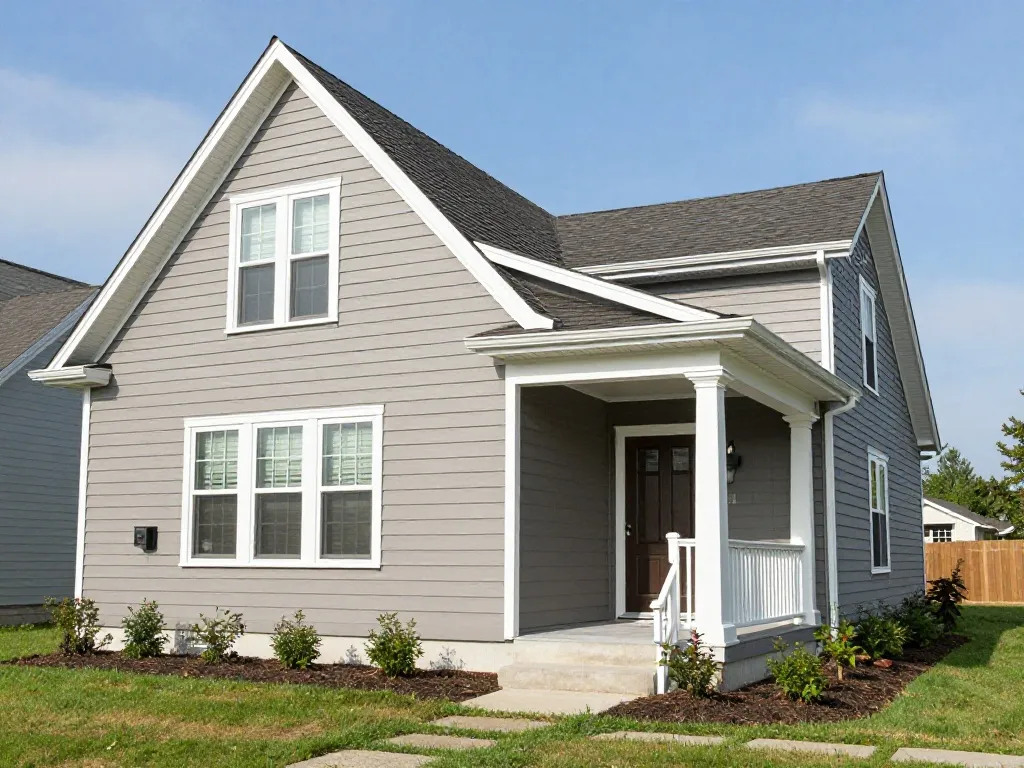
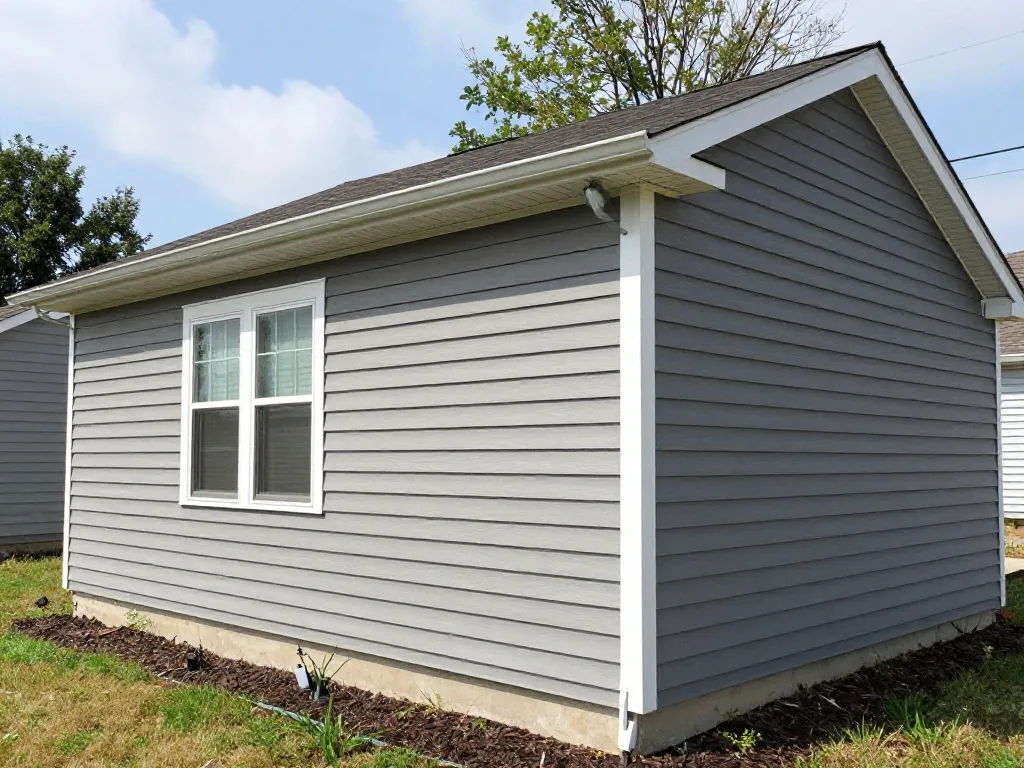
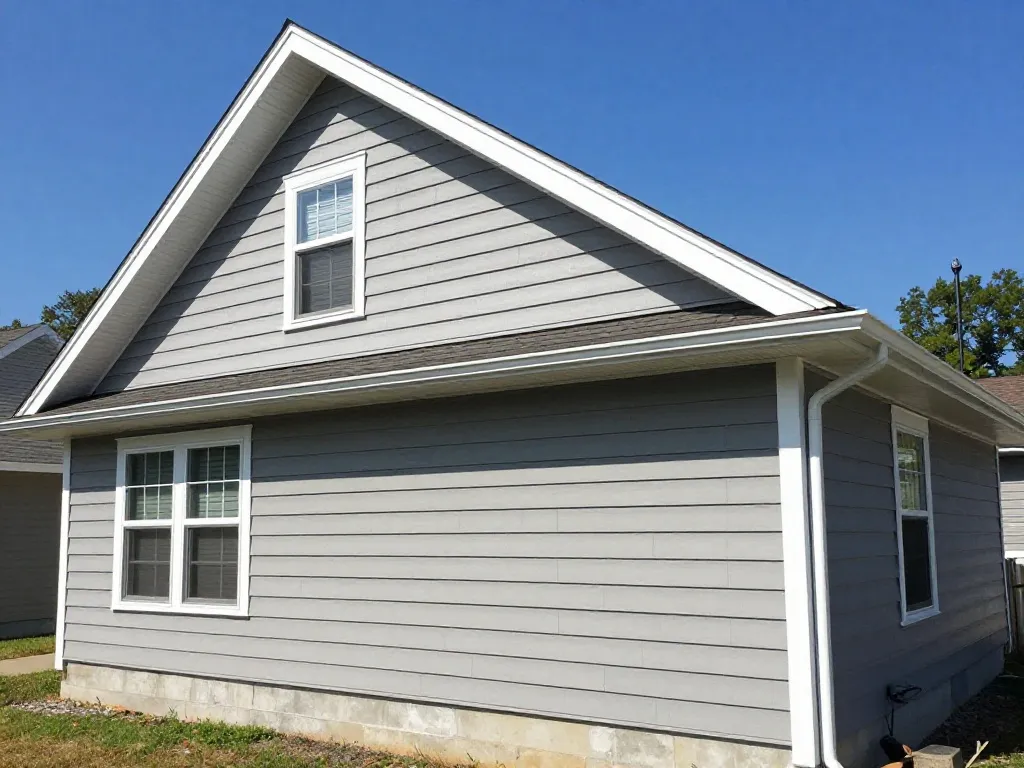
Three conditions on one house
On a Clarkston property we assess each elevation separately, because they genuinely are not the same wall.
- The slope side. Taller than it looks from the street, harder to stage on, and the place where surface water arrives at the building rather than leaves it.
- The shaded side. Slow to dry, prone to organic staining, and the elevation most likely to be holding moisture against trim without anyone noticing.
- The water side. Higher humidity, more wind off open water, and often the elevation with the least room to work.
- The exposed side. On the higher ground here, the wind comes across without much to slow it, which puts real uplift on gable ends.
- The low corner. Every sloped lot has one. Roof water, surface water and meltwater all end up there, and so does most of the damage we are called out to repair.
Specifying for compounded exposure
Where several difficult conditions land on the same house, the margin for a cheap specification disappears. Thin panel that would survive on a sheltered street will not be forgiven here, because there is no elevation where nothing is happening.
Fiber cement is a strong choice on the worst elevations: stable when damp, fastened through the board so uplift is not a lock-strength question, and tolerant of a branch strike. It is heavier to install and it costs more, and on the sheltered elevations it may not be necessary.
A mixed specification is entirely legitimate here and we write it often: fiber cement on the slope, the water side and the low courses, good heavy vinyl where the conditions are ordinary. What we would not do is put the same light panel on every side and hope.
Getting a crew and material onto a Clarkston property
The access here is the hardest we deal with. Long, steep, often curved driveways, mature trees over the approach, and houses sited well off the road on ground that softens after rain.
What has to be established before the material is ordered:
- Whether a loaded truck can get to the house at all, and what the alternative is if it cannot. Carrying full-length panels a long way uphill is a cost, and it should be a known one.
- Where staging can be founded on a slope. Levelling staging on steep ground is slow and it is not optional.
- Overhead clearance on the drive. Low limbs over a curved approach decide what can be delivered.
- Where material is stored dry. Under a canopy, on a slope, after a week of rain, this is a real question rather than a formality.
- The weather window. Access that is fine in September is not necessarily fine in March. Scheduling here takes the ground conditions into account.
Where everything arrives at once
The single most common repair we make on a Clarkston house is at the low corner of the slope side. Water off the roof, water down the hill and meltwater in spring all converge there, and the siding, the trim and often the framing behind them show it.
Replacing the panel at that corner without changing where the water goes is the definition of treating a symptom. What actually fixes it is getting the roof water taken away from that corner and getting the surface water to run past the house rather than into it. Our Clarkston gutter page covers how we plan around hills, lakes and tree cover, and the drainage page covers the ground side of it.
We will say this at the estimate whether or not you buy anything else from us. It is the most useful thing we can tell most Clarkston homeowners about their exterior.
The whole exterior on difficult terrain
Here more than anywhere, the parts only work if they work together:
- Gutters in Clarkston — hills, lakes and heavy tree cover in one system.
- Roofing in Clarkston — how those same three factors compound on a roof.
- Drainage — surface water on a slope, which no gutter can solve on its own.
- Leaf protection — for properties under a genuine canopy rather than a couple of trees.
Siding questions from Clarkston homeowners
Why would one side of my house need a different material from another?
Because the sides are not experiencing the same thing. A shaded, sloped, water-facing elevation has a harder life than a sheltered one, and specifying for the worst wall across the whole house is expensive while specifying for the easiest is a false economy.
My driveway is long and steep. Does that add to the cost?
It can, mainly in delivery and material handling. We would rather look at it and tell you than find out on the morning. On some properties it makes no difference at all; on others it is a day of extra labour.
The bottom corner of my house keeps getting damaged. Why does it come back?
Because the siding there is the symptom. On a sloped lot that corner collects roof water and surface water together. Until that changes, whatever you put on the wall will show the same thing again.
Can you work here in winter?
Vinyl becomes more brittle in real cold and we take that into account in how it is handled and cut. The bigger limit here is ground conditions and access on a steep drive, which is usually what decides the schedule rather than the temperature.
Serving Clarkston and nearby Waterford, Independence Township, Lake Orion and Ortonville.


