
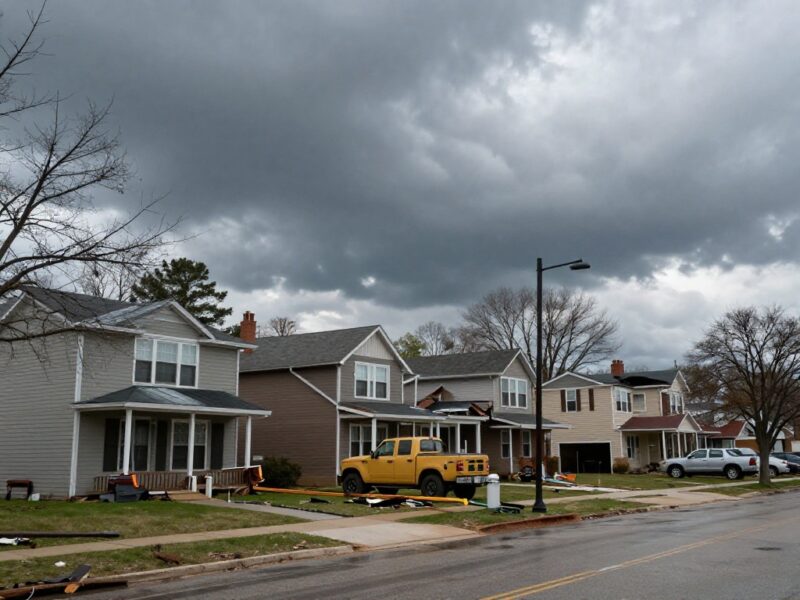
- Document visible roof, gutter, siding and interior damage from the ground before conditions change.
- Schedule a professional storm damage roof inspection before or alongside the insurance claim so the damage is properly documented.
- Avoid major repairs before the scope is clear; tarping is fine for emergencies, but claim documentation should come first.
What to Do Right After Storm Damage
The first step is safety. If you notice missing shingles, active leaks, fallen branches, or ceiling stains after a storm, avoid climbing onto the roof yourself. Instead, inspect from the ground if possible and take photos of anything visible.
Then schedule a professional inspection through our storm damage roof repair service so the damage can be documented correctly before conditions change.
What Insurance Typically Covers
Most homeowners insurance policies may cover sudden storm-related roof damage caused by hail, wind, fallen trees, or other covered events. Coverage usually depends on the cause of loss, the age and condition of the roof, and your policy terms.
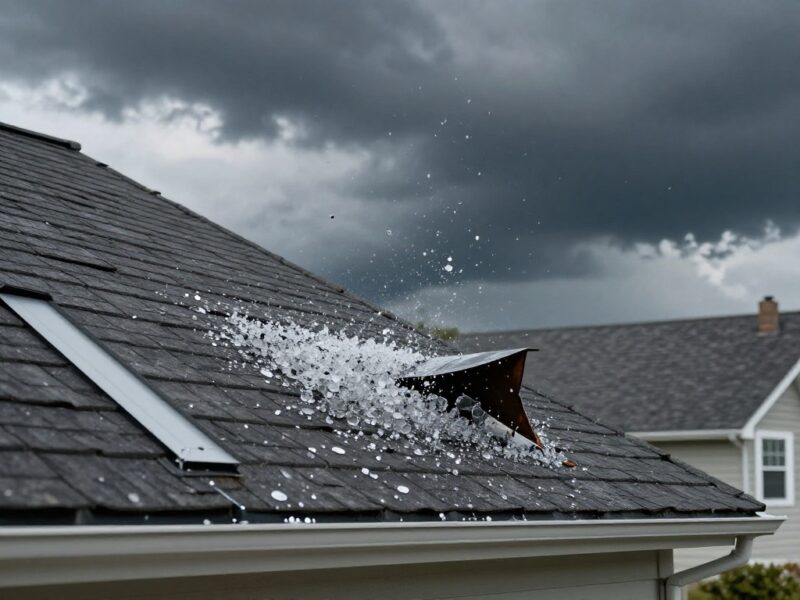
Insurance usually does not cover normal wear and tear, poor maintenance, or old age. That is why proper documentation matters. If damage was caused by a recent storm, there is a much better chance of claim approval than if the roof is simply worn out.
Why a Roof Inspection Should Happen Before or With the Claim
One of the biggest mistakes homeowners make is calling the insurance company before they fully understand the extent of the damage. A qualified contractor can identify bruised shingles, lifted tabs, flashing damage, soft spots, and other storm-related issues that may be missed from the ground.
Our team helps homeowners throughout Michigan evaluate storm-related roof damage through our residential roofing services and determine whether the damage looks repairable or significant enough for a claim.
How to File a Roof Insurance Claim in Michigan
Once damage is documented, contact your insurance carrier and open a claim. Be ready to provide the date of loss, your address, a short description of the damage, and any photos you already have.
After that, the carrier will usually assign an adjuster to inspect the property. It is smart to have your roofing contractor present during that inspection so they can point out storm damage, explain the roofing system, and help make sure the scope is complete.
What Happens During the Adjuster Visit
The adjuster will inspect the roof, exterior, and sometimes interior areas affected by water intrusion. They may look for hail hits, wind creases, broken seal strips, damaged flashing, gutter dents, siding impact marks, and ceiling stains.
This is where strong documentation helps. Photos, inspection notes, and a contractor’s presence can reduce the chance of missed damage and incomplete estimates.
Common Roof Claim Mistakes to Avoid
Waiting too long
Storm damage becomes harder to prove if you wait months and the roof continues to weather. File promptly once damage is confirmed.
Only looking for leaks
Not all storm damage causes an immediate leak. Hail and wind can shorten roof life even when water has not entered yet.
Assuming the adjuster will find everything
Adjusters do important work, but they are not always roofing specialists. Having a contractor present often helps create a more accurate scope.
Starting repairs too early
Emergency tarping is fine when needed, but major repair work should usually wait until documentation is complete and the claim process is underway.
Will Insurance Pay for Repair or Full Replacement?
That depends on the extent and distribution of the damage, local code requirements, shingle matching issues, and your policy. In some cases, the insurer may approve spot repairs. In other cases, widespread damage across multiple slopes can justify full replacement.
If matching materials are unavailable or the roofing system is compromised across large sections, replacement becomes more likely. This is especially important on older roofs after strong Michigan storms.
Local Storm Claim Help in Michigan
We help homeowners across Sterling Heights, Detroit, and Troy document storm-related roof damage and understand the next steps before and during the insurance process.
If your roof was hit by hail or wind, early inspection and clear documentation can save time, reduce confusion, and improve the chance of a smoother claim.
Final Thoughts
Filing a roof insurance claim in Michigan does not have to be overwhelming, but it does need to be handled carefully. The right inspection, documentation, timing, and contractor support can make the process much easier for homeowners after storm damage.
If you believe your roof was damaged in a recent storm, start with an inspection and get the facts before the damage worsens.
Article FAQ
Start by documenting visible damage from the ground if it is safe, then schedule a professional roof inspection. Avoid climbing onto the roof yourself after a storm.
Many policies may cover sudden storm-related roof damage caused by wind, hail, or fallen debris. Coverage depends on the cause of loss, your policy, and the roof’s condition before the storm.
It is often smart to start with a professional inspection so the damage can be documented properly. That helps you understand whether the damage appears claim-worthy before you begin the insurance process.
It is highly recommended. A contractor can help identify storm-related damage, explain the roofing system, and reduce the risk of missed items in the claim scope.
It depends on how much damage is present, where it is located, whether materials can be matched, and what your policy allows. Some claims result in repairs, while others justify full replacement.
You should act quickly once damage is confirmed. Waiting too long can make documentation harder and may create questions about when the damage happened.